Fueling Your Marin Century Ride

Congratulations on signing up for the Marin Century! While it's easy to get caught up in bike setup, pacing, and clothing choices, a solid fueling plan is the secret ingredient to keeping yourself strong and smiling all the way to the finish line.
Avoid The Dreaded Bonk!
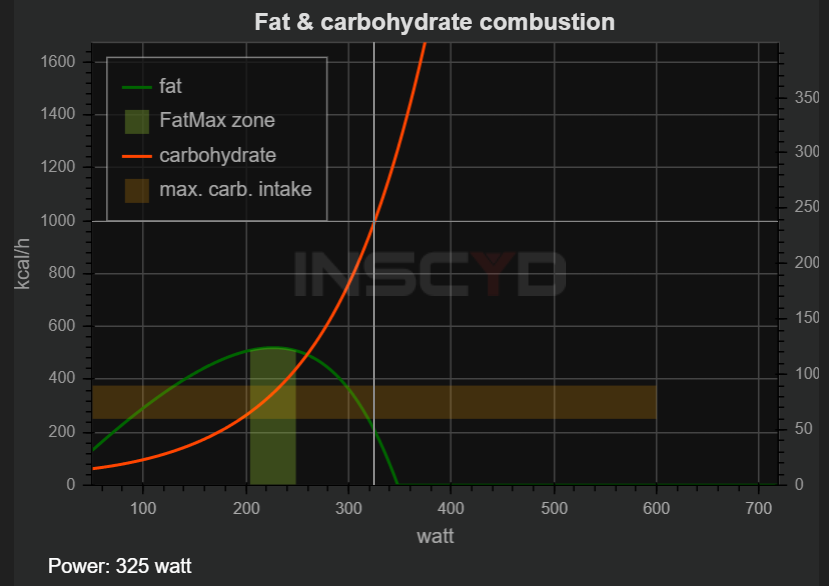
Picture this: A cyclist riding at a moderate to medium-hard pace burns through 500–800 calories an hour. Most of this is precious muscle glycogen, with a small percentage coming from body fat. While your body fat is an almost limitless energy reserve (even the leanest athletes have thousands of calories stored!), your muscle glycogen stores are incredibly finite. Most people store only 250–400 grams of glycogen in their bodies—which is only about 2–3 hours of hard riding! Since carbohydrates convert to glycogen, think of this as a fuel tank holding optimally 200–300 grams of available carbs.
The Solution: Delay the "empty tank" feeling and ensure an amazing day in Marin by supplementing with 60–90 grams of carbohydrate per hour from a sports drink or water bottle.
Know Your Aid Stations!
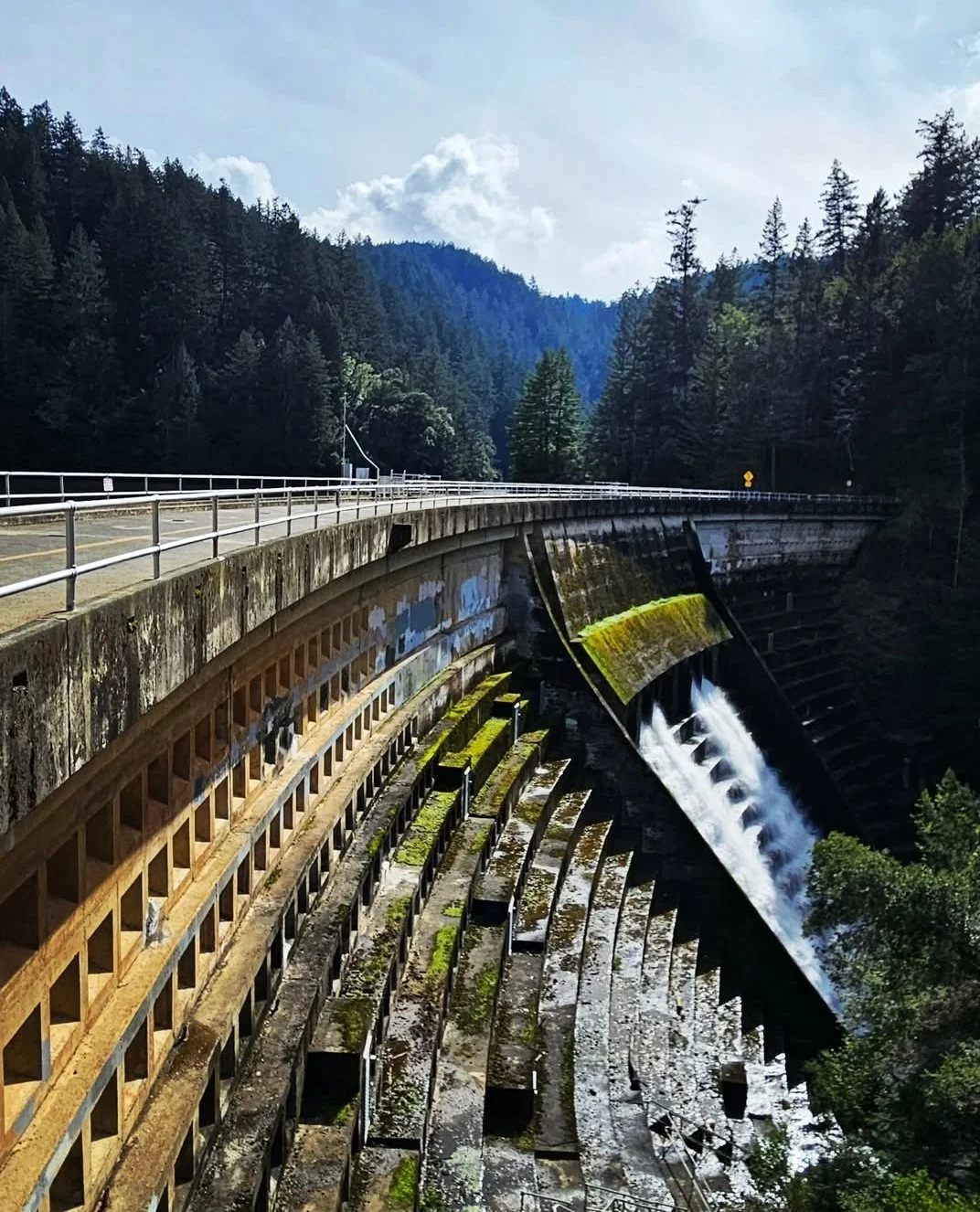
The aid stations at the Marin Century are strategically planned, honed by years of experience to keep you moving. The map for the full century isHERE. You can find all course maps with the aid stations clearly marked on the Marin Century Website. It’s smart to download and study this beforehand, paying close attention to the course profile, too!
What Fuel Works For You?
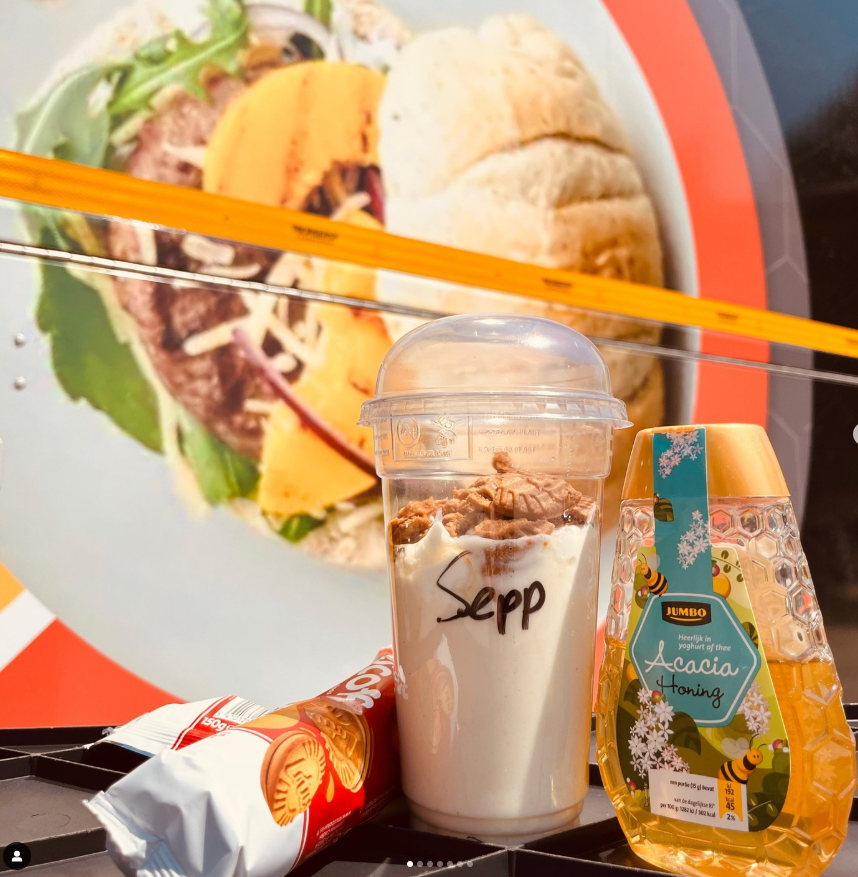
Expect water and Fluid Hydration at the aid stations. They also often offer cola, energy gels like Gu, and various snacks such as pretzels, fruit, and cookies. Crucial Tip: Try these exact products out on your training rides! If you have specific dietary needs or preferences, plan to carry those products yourself.
How Much Should You Carry?
This is a key question best answered during your training rides. The aid stations are typically 16–18 miles apart on a hilly route. A fast rider might carry less, but a slower rider who needs 90 minutes or two hours between stops should definitely carry more. Bigger bottles can help boost your reserves, and a couple of gels or chews stuffed in a jersey pocket can be the difference-maker between rest stops.
Finish Strong!
Seriously, practicing your pacing and nutrition strategies on training rides cannot be emphasized enough. Having a little extra in the tank is your insurance policy if conditions turn windy or warm—it prevents a dreaded "death march" back to Stafford Lake.
I’m looking forward to seeing you at the West Marin Rest Stop this summer!